Brasil
 Europe
 By
By 
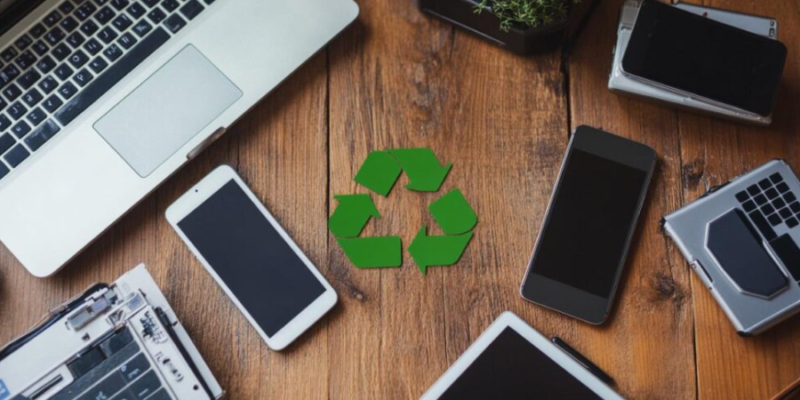
Interest in refurbished products is steadily rising, particularly among consumers seeking both affordability and environmental responsibility. However, price remains a decisive factor. Many buyers are only willing to consider reconditioned goods if they offer a significant discount, typically at least 30% compared to new equivalents.
This expectation reveals an important tension within the circular economy. While refurbished technology reduces electronic waste and extends product lifecycles, consumers still weigh sustainability against perceived value. A lower price is often seen as compensation for concerns about durability, warranty, or performance, even when refurbished devices undergo rigorous testing and certification.
Despite this, attitudes are evolving. Increased awareness of environmental issues, coupled with rising costs of new electronics, is gradually shifting perceptions. Refurbished products are no longer viewed solely as second-hand alternatives, but as a practical and responsible choice that aligns with more conscious consumption habits. For businesses, the message is clear: transparency and trust are essential. Clear communication around product quality, guarantees, and environmental benefits can help bridge the gap between perception and reality. If companies succeed in doing so, refurbished goods could become a cornerstone of a more circular and sustainable retail landscape.