Brasil
 Europe
 By
By 
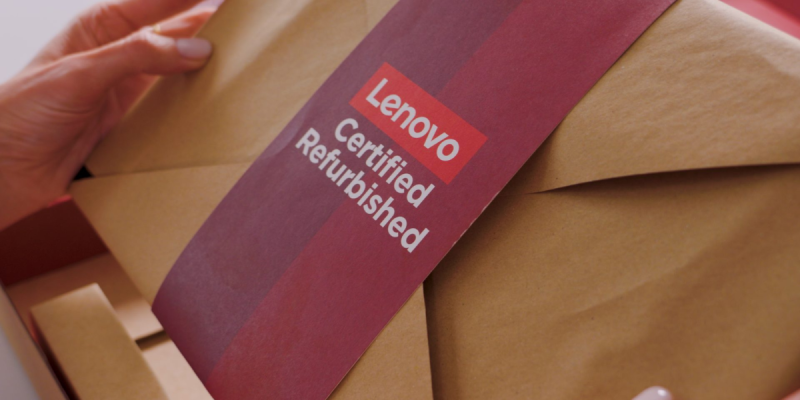
Lenovo is working to make circularity a more measurable part of corporate procurement, encouraging businesses to consider the environmental impact of technology throughout its lifecycle rather than focusing only on the initial purchase. This approach shifts procurement discussions toward product longevity, repairability, reuse and responsible end-of-life management.
The framework developed with Deloitte and Lenovo applies the Global Circularity Protocol (GCP) to four laptop procurement scenarios: buying new, buying refurbished, leasing new and leasing refurbished. Rather than treating sustainability as a broad commitment, the model measures circular inflows, circular outflows and overall material circularity, allowing procurement teams to compare different purchasing approaches using consistent data.
The analysis found that leasing refurbished laptops achieved a 92% overall circularity rate, while refurbished devices recorded an 84% circular inflow and leasing models reached 99% circular outflow. These results highlight how refurbishment and leasing can support device reuse, end-of-life collection and material recovery.
James Pennington, Global Sustainability Services Director at Lenovo highlights that “Our products allow our customers to cut cost and carbon out of their business simultaneously, without sacrificing performance”. For businesses, the initiative demonstrates how circularity can become an actionable procurement metric rather than a separate sustainability objective. By assessing product lifecycles alongside cost and performance, organisations
can make more informed decisions about extending hardware lifetimes, reducing material consumption and improving the recovery of IT equipment.