Brasil
 Europe
 By
By 
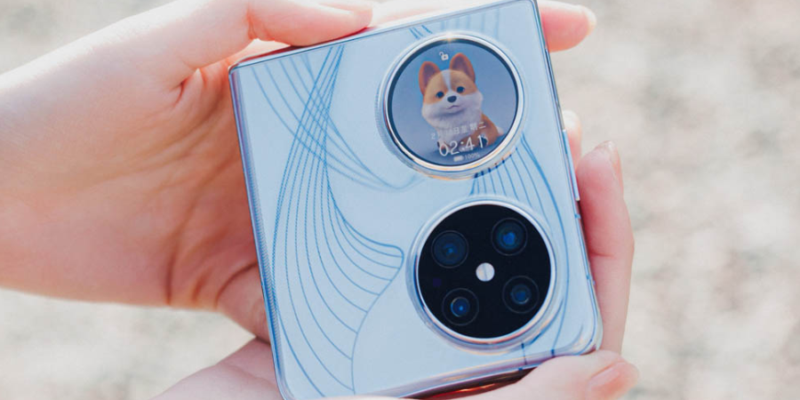
Huawei has begun offering officially refurbished versions of its premium foldable smartphones, including the Mate XT tri-fold and the Mate X6 Collector’s Edition, through its official sales channels.
The move marks a notable step in the manufacturer’s circular economy strategy, while also making its high-end foldable devices more accessible to price-conscious consumers. Huawei has confirmed that the original Mate XT is no longer available as a new product, with refurbished units now becoming the exclusive option for buyers interested in the device.
The refurbished Mate XT is being offered at significantly lower prices than its original launch price. The 16GB/256GB version is available for approximately €1,939, compared to its initial retail price of around €2,536. The 512GB variant is priced at roughly €2,155, down from €2,789, while the 1TB model is now available for approximately €2,371, representing a reduction of more than €670 from its original price.
Huawei has also applied substantial discounts to the refurbished Mate X6 Collector’s Edition. The 512GB version is now available for around €1,407, compared to its original retail price of approximately €1,902. The 1TB model has been reduced to roughly €1,509 from around €2,028.
According to Huawei, all refurbished devices undergo a comprehensive inspection, repair, and recertification process before being returned to the market. The company states that customers receive devices fitted with original parts, access to official after-sales support, a one-year warranty, and a fifteen-day exchange policy in the event of quality-related issues.
Huawei’s announcement reflects a broader industry trend as manufacturers increasingly embrace refurbished devices as part of their sustainability and lifecycle management strategies. Earlier this year, Samsung expanded its Certified Re-Newed program to include several Galaxy Z Fold and Galaxy Z Flip models, offering refurbished foldables that undergo battery replacements, component upgrades, and extensive quality testing.
The emergence of manufacturer-backed refurbishment programs for foldable devices highlights growing confidence in the category. However, foldables present unique refurbishment challenges compared to conventional smartphones. Their complex designs rely on hinges, flexible displays, and additional moving components, all of which introduce potential wear points over time.
While the durability of foldable smartphones has improved considerably in recent generations, questions remain about how refurbishment processes evaluate and restore critical components such as hinge mechanisms and flexible screens. As foldables become increasingly integrated into circular technology initiatives, transparency around these refurbishment standards may become a key factor in building consumer trust.