 Europe
 Brasil
 By
By 
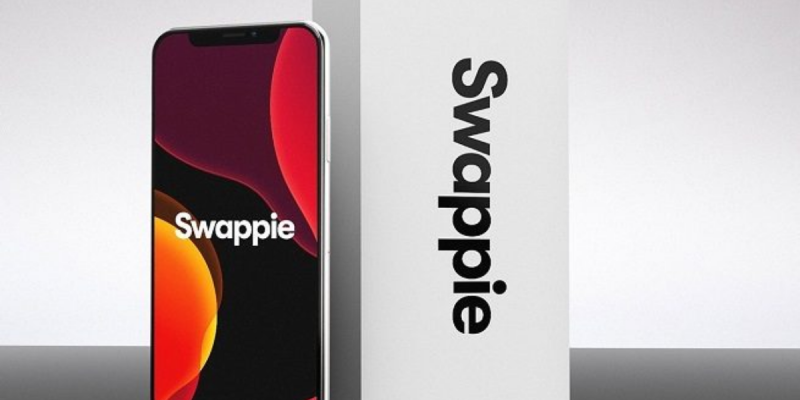
Swappie, the Finnish refurbished smartphone specialist, says the sector has a perception problem as much as a supply problem. Encouraging people to dig old handsets out of their drawers is one challenge. Persuading shoppers that a refurbished device is a first choice rather than a fallback is another. Speaking to The Square, Luísa Vasconcelos e Sousa, who runs Swappie in Portugal and Ireland, said refurbished tech should be seen as the sensible default rather than a plan B.
In her view, environmental messaging alone won’t take circular consumption mainstream. What will is a simple consumer calculation: the same phone, fully tested and covered by a warranty, at a lower price. Once buying refurbished becomes an everyday decision rather than a principled one, she argues, the market will follow.
Trust is still the biggest obstacle, and Swappie is tackling it head-on. Every handset goes through a 52-point inspection, and the company invites journalists into its refurbishment facilities almost every year so buyers can see how devices are restored. That openness is meant to remove the doubts many consumers still have about second-hand electronics.
The regulatory backdrop is moving in the same direction. The EU Right to Repair Directive, which covers smartphones, took effect on 31 July 2026. With the rules now in place, Swappie believes the remaining shift is behavioural: people moving from choosing refurbished because new is unaffordable to choosing it because it’s the smarter purchase.